
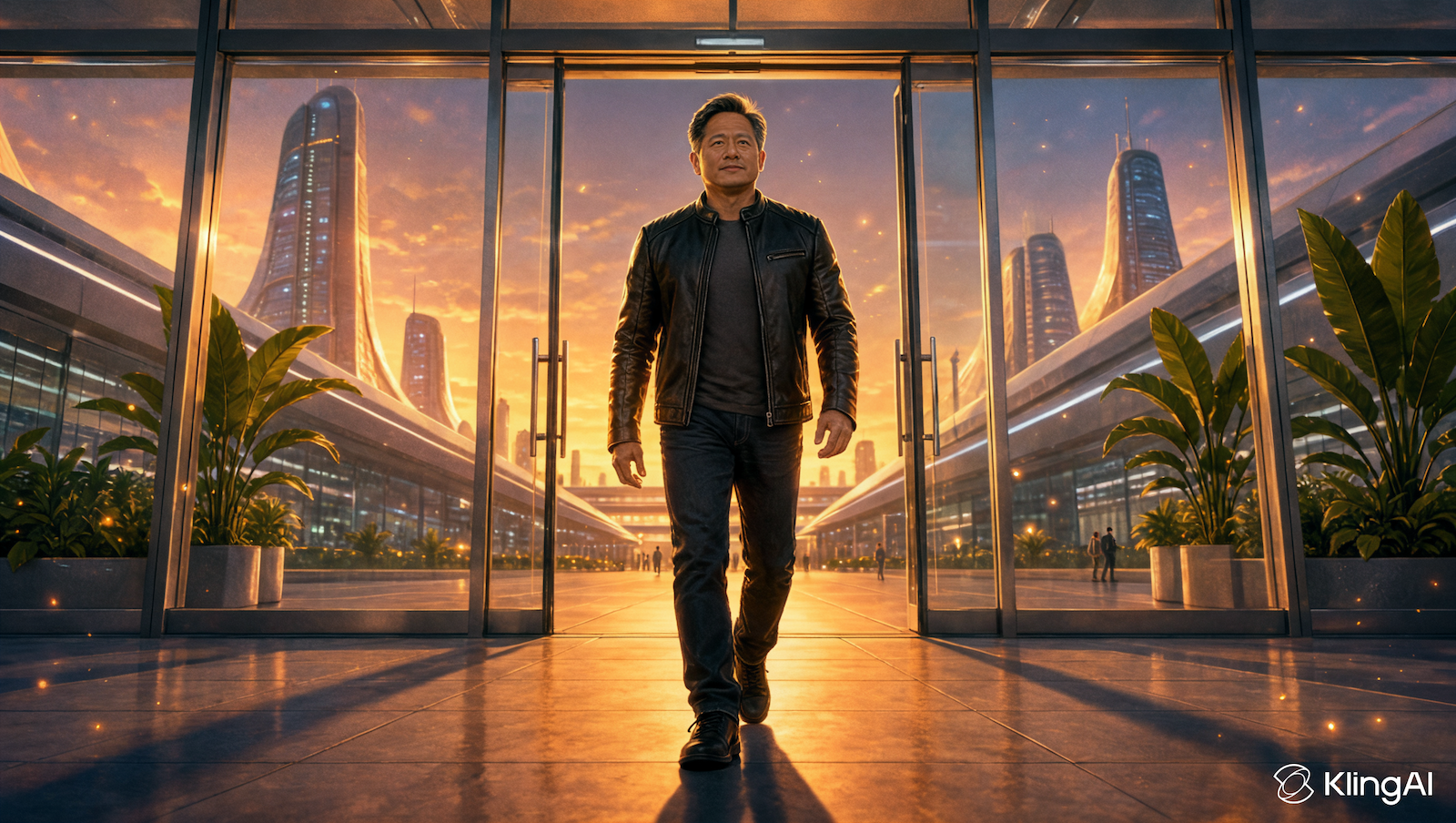
Nvidia board reinstates Jensen Huang as CEO, 11 days after he resigned
Nvidia’s board of directors voted unanimously on Monday, Nov. 23, to reinstate Jensen Huang as the company’s president and chief executive and as a member of its board, effective immediately, the company announced. The decision came 11 days after Huang resigned on Nov. 12, and days after the board had said it did not plan to bring him back.
What the company says
In its release, Nvidia said the board acted “following a series of discussions and meetings with Mr. Huang, after which the Board was satisfied with respect to Mr. Huang’s candor and ability to lead NVIDIA.”
The company also said the board “received input from senior levels of the United States government, and based on that input, the Board is confident that Mr. Huang’s reinstatement poses no national security risk.” That is the board’s conclusion; the release does not say who in the government provided the input or what it contained.
“The Board believes Jensen is the right person to lead NVIDIA, and that his reinstatement is in the best interests of our stockholders, employees, partners and customers,” said Harvey C. Jones, chair of the board. According to the release, Jones will remain board chair, and Colette Kress, who served as interim CEO, continues as chief financial officer. (At least one early report described Huang as also returning as board chair. Nvidia’s release says Jones keeps that role.)
Huang said in the same release: “I am honored to return to NVIDIA and lead one of the most consequential technology companies in the world at the beginning of a new industrial revolution.”
Why he left
Huang stepped down following news reports about his personal relationships. According to a BBC timeline, The New York Times reported on Oct. 29 that Huang had a “close relationship” with a woman whom, the paper said, U.S. officials allege is a Chinese spy. On Nov. 8, the BBC says, Huang acknowledged a romantic relationship outside his marriage without naming the other person, and the board began an independent investigation. Beijing has publicly rejected the spying allegations, according to the BBC.
The Verge reported that Huang resigned “following reports of extramarital affairs with an alleged Chinese spy and two Nvidia employees, including an executive who reported to him.” None of the espionage allegations have been proven in public, and Nvidia’s release refers only to “recent reporting that Mr. Huang has been the target of a foreign intelligence effort.”
A quick reversal
The board had publicly ruled out a return. NPR reported that the board said as recently as Nov. 17 that it did not intend to reinstate Huang. The AP described the move as coming “just days after rejecting his offer to return.”
Huang had said publicly he would return if asked. Last week, according to Ars Technica, he wrote that “if the Board of Directors decides that my return is in the best interest of our shareholders, our employees, the company, and America, I would be honored to answer these calls and return as CEO.”
Trump’s role
President Donald Trump had urged the board to rehire Huang. After the announcement, he wrote on Truth Social that Nvidia “made the correct and proper decision,” and that “the United States Government has no reason to believe that Jensen’s return to NVIDIA poses any risk to National Security,” according to The Verge. The post added that the attorney general “has confirmed that the U.S. Government does not possess evidence that he has engaged in any unlawful conduct.”
In a CNBC interview Monday, Trump said the board asked him for assurance on the national security question and that he gave it, the BBC reported. Asked whether Huang would have returned without his intervention, Trump said, “The answer is no,” and added, “I made the deal,” according to the BBC.
Reaction
Elon Musk, one of the tech leaders who had backed Huang’s return, posted “The mistake has been corrected,” the BBC reported.
Critics came from both parties. Sen. Elizabeth Warren, a Democrat, called the decision “reckless,” and Sen. John Cornyn, a Republican, posted, “No national security risk? Based on what?” Rep. Don Bacon, a Republican, said Nvidia “should have moved on without Huang,” according to the BBC.
The stock
Nvidia shares opened about 30% higher on Nov. 23, the BBC reported. The shares had closed down nearly 14% on Friday, Nov. 20, after Reuters reported that the Securities and Exchange Commission was investigating the company’s accounting practices, according to the BBC. Even after the jump, the BBC said Monday morning, the stock was down about 25% over the past month.
What comes next
Nvidia says the investigation by a committee of independent directors, assisted by outside counsel, “will proceed to conclusion,” and that Huang “fully supports the investigation and is committed to cooperating with it.” The BBC noted that the company is not obligated to make the findings public.
The company also says it recently formed a National Security and Export Control Committee of independent directors to “oversee trade compliance and national security risks,” and that it has begun a search for a new chief compliance officer who will report to the board’s Nominating and Corporate Governance Committee. Nvidia says it will “continue to cooperate with ongoing government investigations and inquiries.”
Written with AI, edited by a human.